Whether you’re applying for part-time work, a placement, or a full-time role, there are a few essential things to keep in mind while applying. This guide brings together practical resources on where to find opportunities and how to begin applying confidently.
A strong first step is to create a clear and professional CV and cover letter. The Careers and Enterprise Service run multiple workshops throughout the year to help you improve both your CV and cover letter. These can be found on CareerZone under the events tab.
You can also book a one-to-one appointment with a Careers Consultant via CareerZone to get help with your CV and cover letter.
Your CV and cover letter must be tailored to each application. For example, if your CV includes a personal profile, make sure it reflects the role you’re applying for. If it’s a finance position, highlight finance-related strengths and include the most relevant experience. The same applies to your cover letter, use keywords and phrases from the job description where appropriate, and connect them to your own skills and examples. This can significantly strengthen your application and help you stand out.

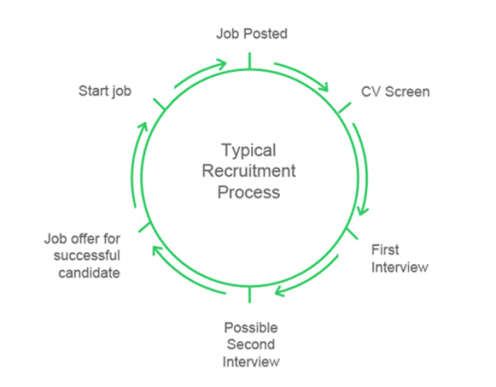
From there, you can follow a simple step-by-step process:
Step 1: Apply and track your applications
Start applying for roles and keep a clear record of each application. Notion is an excellent tool for this because you can manually update your tracker as you hear back from employers (for example: applied, assessment, interview, offer, unsuccessful), alongside key deadlines: The AI workspace that works for you. | Notion
Step 2: Complete any assessments
Many roles include additional stages such as online tests, video interviews, or task-based assessments. Completing these tasks promptly and meeting deadlines is essential, as missing an assessment can mean that your application does not progress. This is why application tracking is necessary.
Step 3: Prepare for interviews
If you are invited to interview, prepare in advance by revisiting the job description, researching the organisation, and practising your answers. You can also use eCareersGrad to support your interview preparation: eCareersGrad Course/ MasterClass Access –
Step 4: Wait for outcomes and respond promptly
After interviews, check your email and application portals regularly and respond professionally within any deadlines provided. To find opportunities, it helps to use multiple platforms rather than relying on just one. A good place to start is:
- CareerZone (Opportunities tab): https://careerzone.westminster.ac.uk/student/jobs.html?execution=e4s1
- Gradcracker (great for STEM roles): Gradcracker – Careers for STEM Students
- Handshake (has a lot of startups): Handshake | Your career starts here
- Student Circus (particularly useful for international students): Student Circus – UK Visa Sponsor Jobs for International Students
- LinkedIn Jobs (job search + alerts): LinkedIn: Log In or Sign Up
- Higherin (higher education and academic roles): Higherin: Student Jobs, Career Advice and Reviews
- Indeed: Job Search | Indeed
- Work in Startups: Startup Jobs | Number 1 Start up Job Site | WorkinStartups.com
- Welcome to the Jungle – Welcome to the Jungle—Work with the company you belong to
If you’re applying for part-time roles, you can also explore opportunities through the University’s Talent Bank. I have been working with the University for the past two years, and the experience has been genuinely rewarding and professionally enriching. In my first year, I worked with the Equality, Diversity and Inclusion (EDI) team, and in my second year and currently I have been working as an International Careers Project Assistant. These roles have given me valuable insight into how the University supports students, while also helping me develop strong organisational and transferable skills. I suggest checking out these roles regularly on Talent Bank. #
Here are some additional tips which can potentially boost your chances of securing your role-
- Try Proactive Outreach
Many people assume that cold emailing won’t work, but in certain situations, it can actually be effective. If you have a specific company in mind, it is always worth reaching out with a brief, professional message to inquire about any current vacancies or upcoming opportunities.This can be especially useful with smaller organisations, as they may respond more quickly and may be open to part-time roles as well as full-time positions.
- Follow up after you apply
If you’ve submitted an application and haven’t heard back for a while, follow up with a polite message. Keep it brief, confirm your interest in the role, and ask if they can share any updates on the timeline or next steps. This is particularly helpful when you’ve applied for multiple roles and want to stay updated on the status of each application.
- Networking is key
Networking can make a real difference, especially if it leads to advice, insights into the company, or a referral from someone already working there. You can build your network by attending careers and networking events, and by connecting with employees on LinkedIn to learn more about their role and the organisation. If you message someone on LinkedIn, consider asking for a brief coffee chat to gain a deeper understanding of the company culture, team structure, and what the role is really like. Keep the message short and friendly, and create a list of specific questions you would like to ask beforehand, as coffee chats are typically only 10-15 minutes long.
- Final reminder: apply early and stay organised
My advice is to apply as early as you can. Many placement opportunities and graduate scheme applications open between September and November, so it helps to have your CV and cover letter ready in advance. Continue applying for new roles as they become available, and ensure that you track all applications to avoid missing deadlines, particularly those involving assessments and interviews. Applying early, staying consistent, and keeping a clear record of your applications really is the key.
Good luck, you can do it!
***
Big thanks to Samaksh, one of our BSc Computer Science students, for this insightful blog!
About Samaksh: “I am Samaksh Chhibber. A final year undergraduate student at the University of Westminster studying Computer science. My passion is innovation and hence my aim is to create technologies that can pave the way for future. I am keen on pursuing entrepreneurship. I take keen interest in studying astronomy in my free time. A fun fact about me is that I wrote a book at 17, combining my interest of astronomy with philosophy.“
Remember: if you need careers support, your Careers Team is only an email / a message away!
E: careers@westminster.ac.uk| Website | Facebook | Twitter | Instagram |Careers Blog

- Are you trying to find a part-time job? - 29 September 2026
- Gaining Real Insight into Infrastructure at Gleeds - 7 May 2026
- How to Fund Your Innovation as a New Freelancer or Creative Lead - 30 April 2026