
Business Management BA students recently took part in a four-day sustainability study trip to Stockholm, where they examined how sustainability is embedded in everyday business and urban life.
The field trip gave 30 students the opportunity to step beyond the classroom and engage with an internationally recognised sustainable city, while also experiencing Nordic culture across four intensive and activity-filled days. By exploring Stockholm first-hand, students deepened their understanding of one of Europe’s leading centres for sustainability and innovation, strengthening their engagement with core themes of the degree, such as sustainable development, leadership, entrepreneurship, and global business. The trip was organised and led by course leader Beverley Marsland, with support from lecturer Jake Barber and Rachel Lander, Assistant Head of School in the School of Management and Marketing.

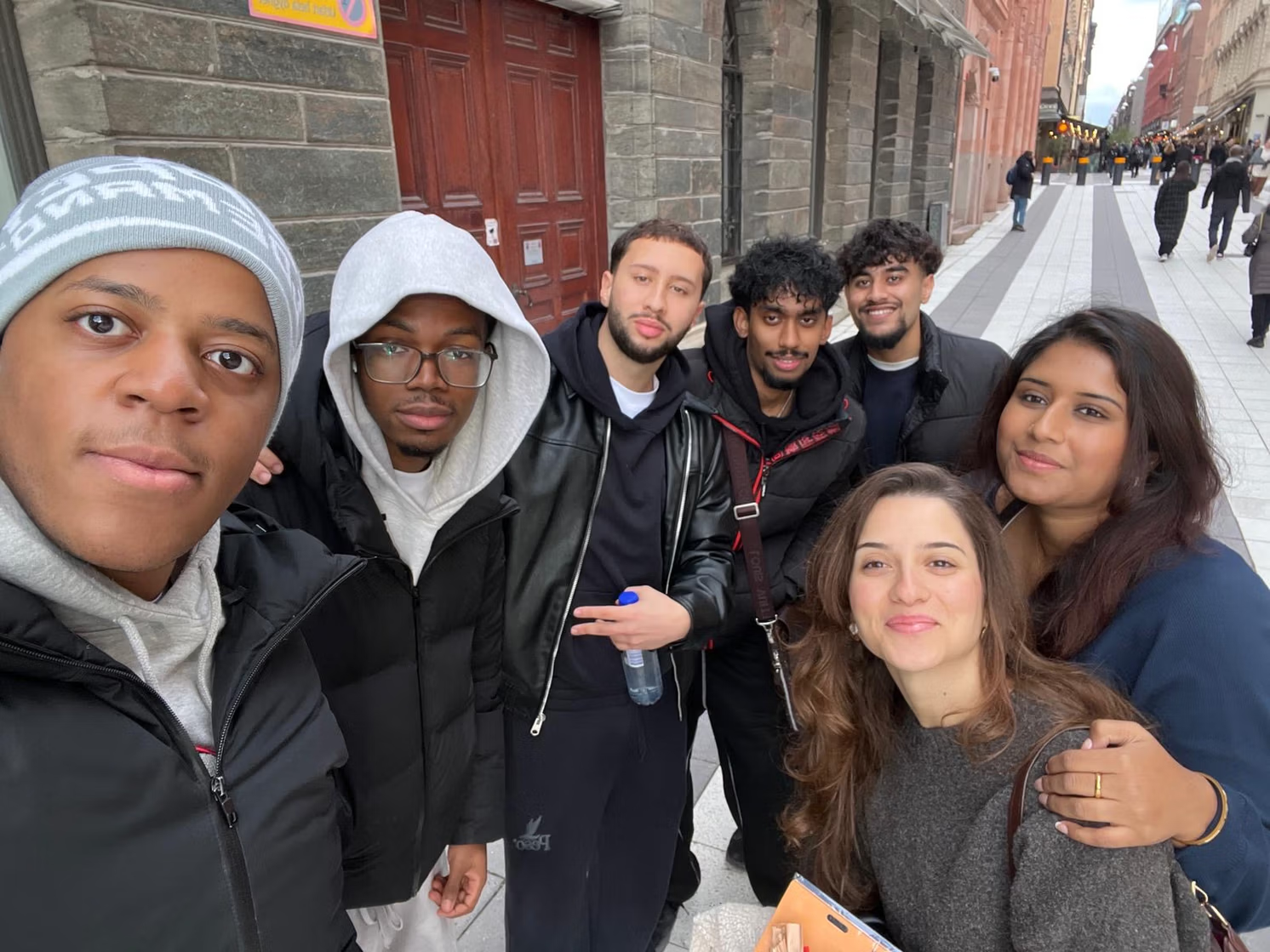
“I think it’s important to take part in opportunities like the Stockholm trip because you gain valuable insights and experiences that support your future development and give you meaningful examples to talk about in interviews.”
Gabriella Oniru, Student, Business Management BA
The trip offered meaningful learning beyond the classroom, supporting students to reflect on how these practices may influence their future studies and career paths, while also helping to build strong connections within the cohort.
Stockholm is ranked 12th in the Arcadis Sustainable Cities Index (2024), which assesses the sustainability performance of 100 cities worldwide. The index evaluates urban resilience and progress across four key dimensions: People, Planet, Profit, and Progress. This ranking reflects Stockholm’s strong and long-standing commitment to the United Nations Sustainable Development Goals (SDGs), making it an ideal location for experiential learning related to sustainability, leadership, and global business practice.
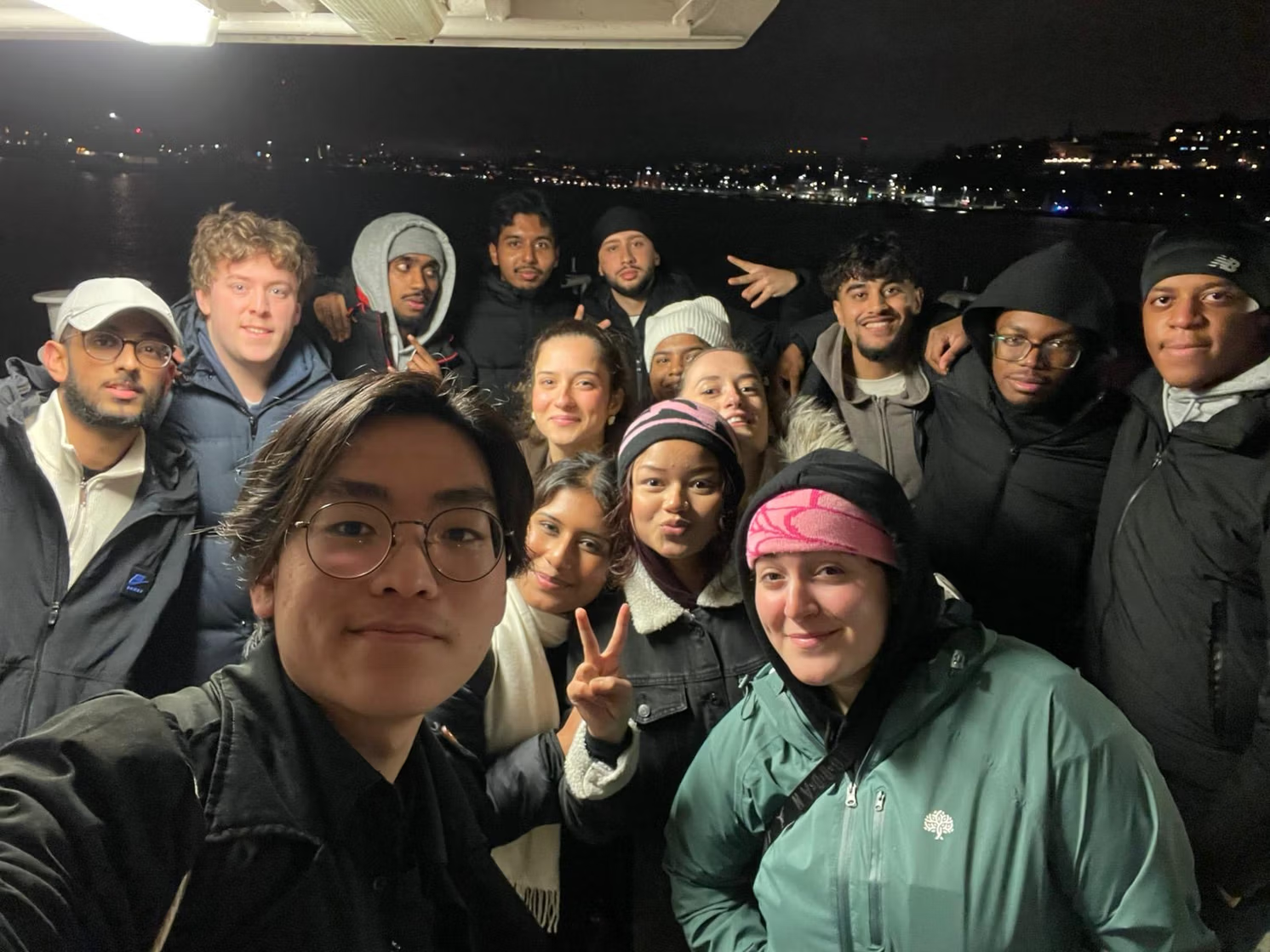
Taking place in October 2025, the trip acted as a living case study aligned with several United Nations Sustainable Development Goals (SDGs), including:
- SDG 4: Quality Education
- SDG 11: Sustainable Cities and Communities
- SDG 13: Climate Action
- SDG 16: Peace, Justice and Strong Institutions
“The trip to Stockholm brought students together through a shared focus on sustainability and leadership, while also making space for fun, learning, and exploring a new city. Between meaningful conversations, new experiences, and plenty of time to bond, it was a trip that combined growth with great memories.”
Jake Barber, Lecturer in Business Management BA
Across the four days, students took part in a range of academic, cultural, and experiential activities designed to bring sustainability concepts to life.
The trip began with a visit to Södermalm, a creative and entrepreneurial district recognised for its independent businesses and vibrant, youthful atmosphere. Travel around the city was facilitated through Stockholm’s highly efficient and well-integrated public transport system, which connects buses, trams, trains, and ferries, offering a clear real-life example of sustainable urban planning in practice. This experience was echoed by a student, who observed, “beautiful streets of Stockholm via a fun, cheap, and efficient form of transportation.” (JonahBloom)
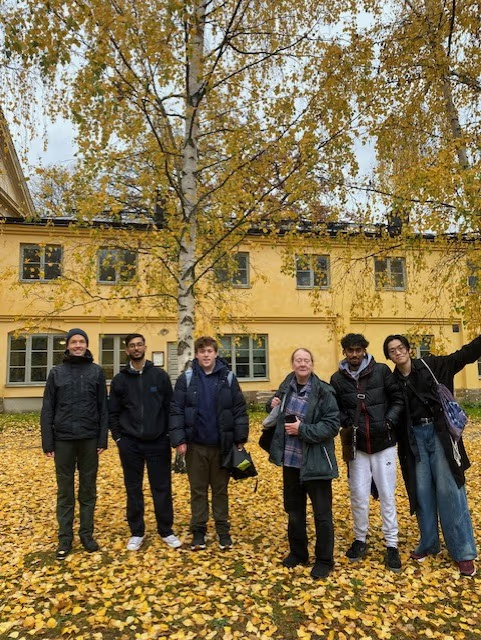
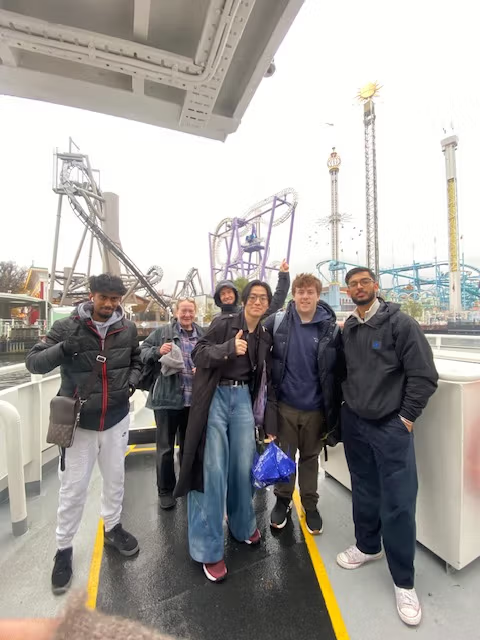
“It is a privilege to experience Europe’s leading sustainable cities with students from our course. Sustainability is an important element of the business education we provide our BMBA students. Witnessing students forming social bonds through these shared experiences is incredibly rewarding. I hope to provide many more of these opportunities to our students.”
Beverley Marsland, Course leader – Business Management BA
Students also visited Gamla Stan, Stockholm’s historic old town, where they explored the Nobel Museum, followed by participation in the haunted Stockholm Ghost Walk. Both activities proved to be educational and entertaining, helping students deepen their understanding of innovation, history, and cultural heritage, while also encouraging learning through storytelling and real-world engagement. The experiences were especially memorable for many students. Reflecting on the experience, one student noted: “I enjoyed the Nobel Museum — it was great to learn about the history of the Nobel Prize and the remarkable people who have received it. I also really liked the Ghost Walk; the guide was incredibly enthusiastic and had a great sense of humour. I love trips where I can learn something new in such an interesting way!” (Mariia Nikolaievska)
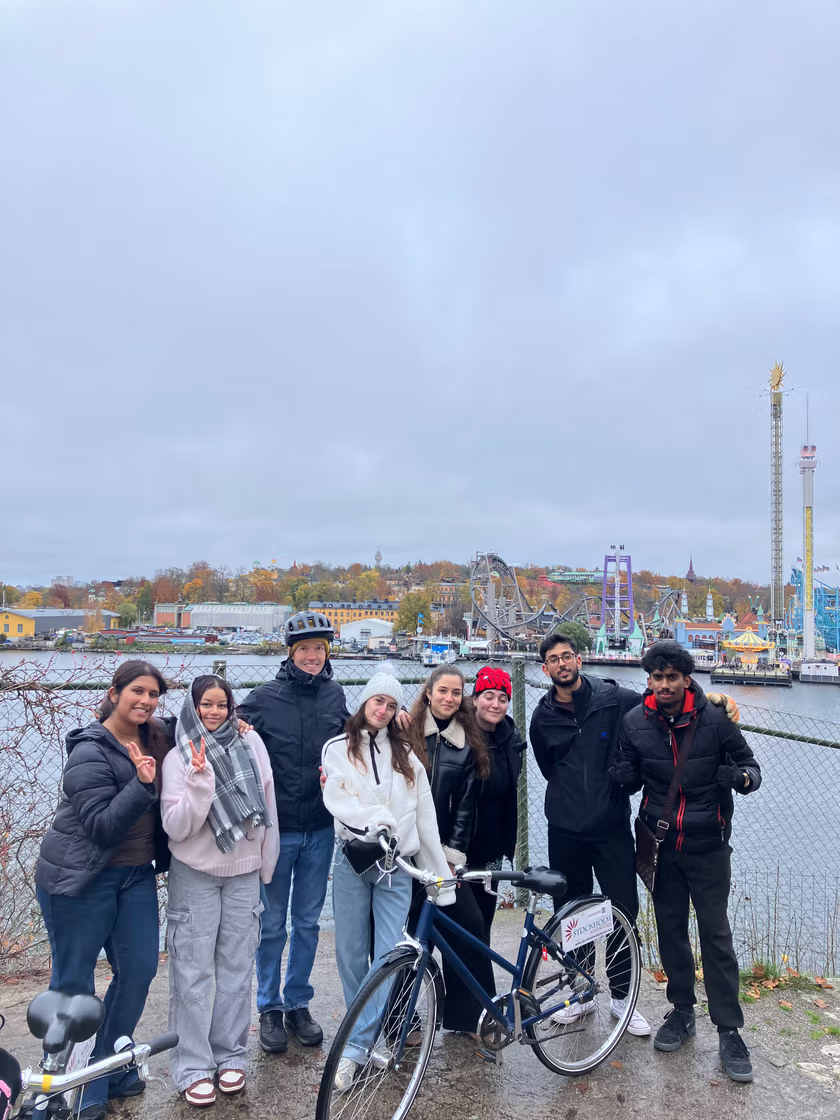
The cycling tour across Stockholm’s 13 islands, along with the archipelago cruise, highlighted strong examples of sustainable urban design, infrastructure, and environmental responsibility. Through these activities, students were able to observe how transport planning, green spaces, and environmental protection are embedded within the city’s development. As a result, students reported a deeper awareness of how sustainability is woven into everyday life. Reflecting on these experiences, one student commented: “The archipelago cruise and cycle tour were highlights for me; it is hard to choose the best memory as everything was wonderful.” (Kamile Miliskeviciute). Another student similarly noted that “You can see with your own eyes how seamlessly sustainability is integrated into the city’s life.” (Irina Lysenko).
Beyond the organised activities and site visits, experiencing local food was another important aspect of the trip, offering students insight into Swedish culture. Meals provided opportunities to explore local traditions while also creating informal spaces for reflection, conversation, and connection. Students enjoyed a range of dining experiences, including Swedish meatballs, Italian food in Gamla Stan, and Halloween-themed burgers in Vasastan. For many students, food was a significant part of the trip, as reflected by one student who commented, “I loved how friendly and kind the locals were, and the food there is amazing and delicious.” (Beno Suthaharan)


One of the most remarkable outcomes of the trip was the strong sense of belonging and friendship that developed not only among students, but also between students and lecturers. Spending time together across activities, meals, and travel allowed students to build new friendships and strengthen relationships in ways that are not always possible within the classroom setting. This was highlighted by one student, who shared: “The trip provided a fantastic opportunity to meet a lot of friends and get to know many students who turned out to be in the same lectures or seminars, yet we had never spoken before.” (Yick Long Tam). This view was also expressed by many other students, including one who reflected: “It’s a once-in-a-lifetime opportunity. Especially if you don’t usually travel, going with your university makes you feel comfortable and helps you make new friends. It’s a trip you will never forget.” (Emily Polo-Infante) In addition to creating lasting memories for students, the Stockholm trip demonstrated the value of international field trips in enriching academic learning, personal development, and a sense of community. Experiences such as this allow students to connect theory with practice, engage with global perspectives, and build meaningful relationships beyond the classroom. Building on the success of this trip, the BA Business Management course remains committed to providing further international learning opportunities and will continue to explore ways to offer more study trips that support students’ learning, employability, and global outlook.
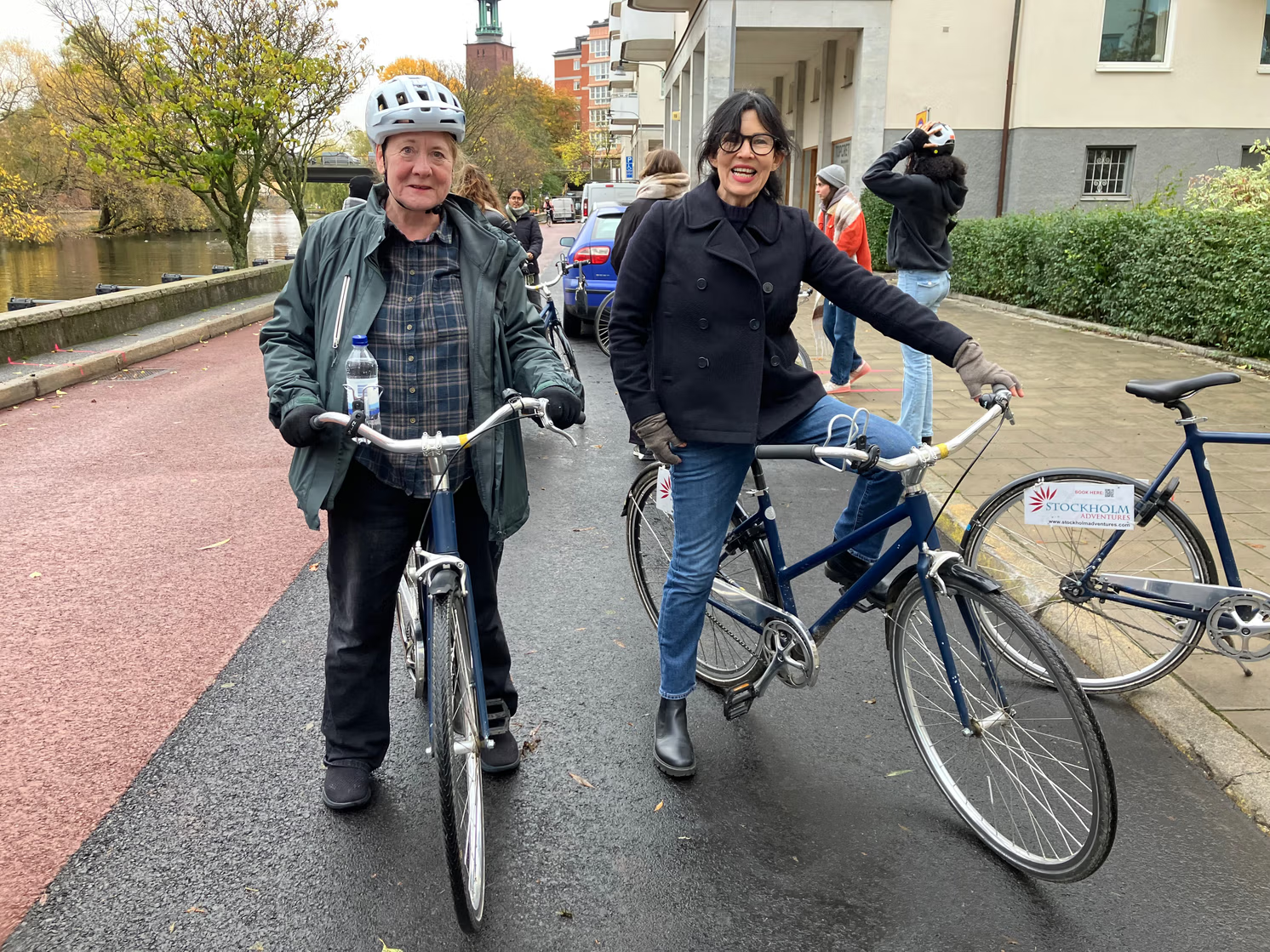
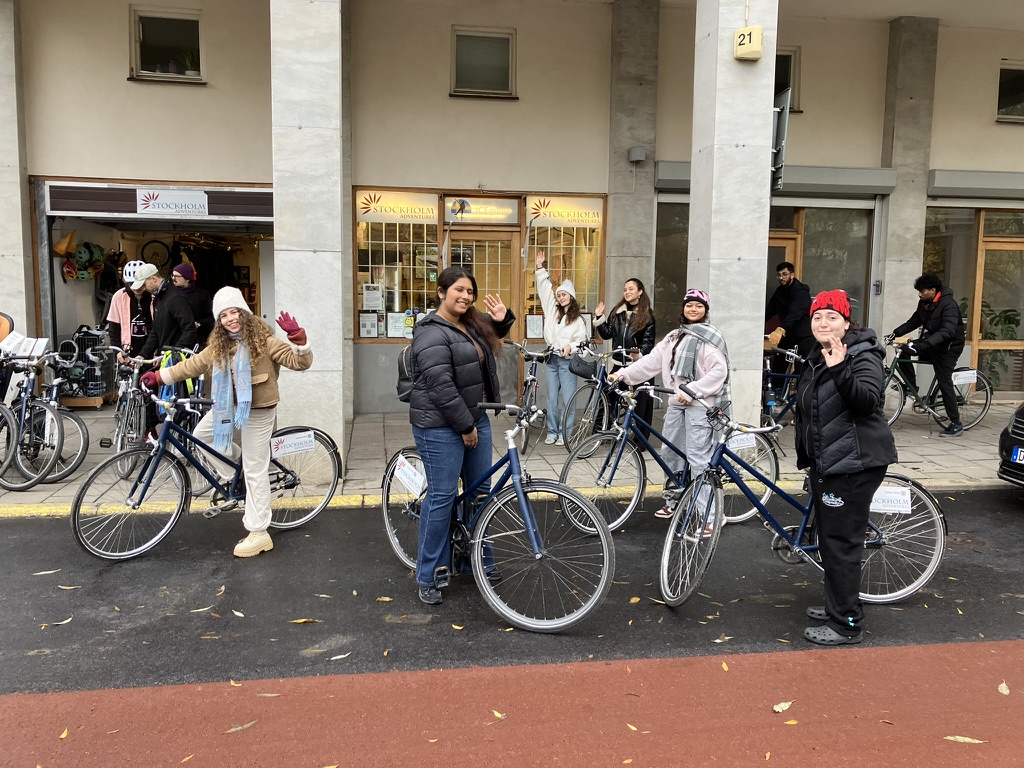
“The International trips for Business Management BA help our School deliver excellent student experiences and enable students to engage with learning outside the classroom, enriching their understanding of Leadership and Sustainability and facilitating lasting friendships.”
Rachel Lander, Assistant of the School of Management and Marketing
Interested in studying Business Management at Westminster?
Visit the Business Management BA course page on the University of Westminster website to learn more about the degree, modules, industry opportunities, and what our students experience throughout their studies.
About Westminster
As one of the most diverse universities in the UK, we are a global university with London energy, with more than 19,000 students from 169 countries. To find out more about our courses, visit the University of Westminster website.
