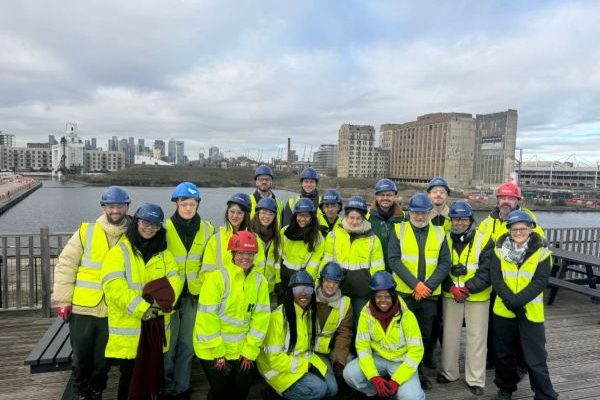
When people ask me why I chose to study architecture, I usually do not have a very clear answer. It was not one specific decision, but something that became clearer over time. Growing up in Myanmar, I started noticing how spaces affect people, even without really understanding it. Some places feel easy to be in and naturally bring people together, while others feel more distant, and looking back, I think that was where my interest slowly began.
Moving to London
Moving to London was a bigger adjustment than I expected, not just because of studying, but because everything around it felt different to me, the pace of the city, the system, and even small daily routines. It took time to get used to, but after a while, it starts to feel normal in a quiet way.
What is studying Architecture at Westminster Like?
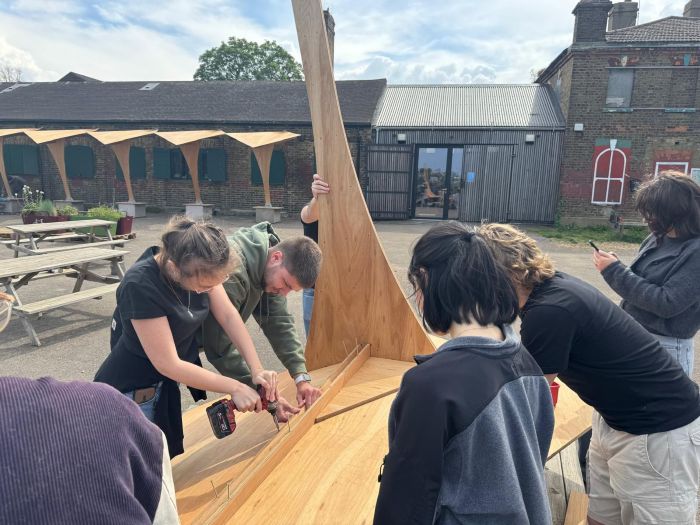
At the University of Westminster, most of the work happens in the studios, and you end up spending a lot of time there without really noticing it. Everyone is working on different projects, but because you are all in the same space, you start learning from each other through small things, a quick conversation, a comment during a review, or even just seeing how someone else approaches their work.
There are also reviews where you present your ideas and talk through your project, which can feel a bit uncomfortable at first, especially when you are not fully sure about your own decisions yet. But over time, it becomes part of the process and helps you understand your work more clearly.
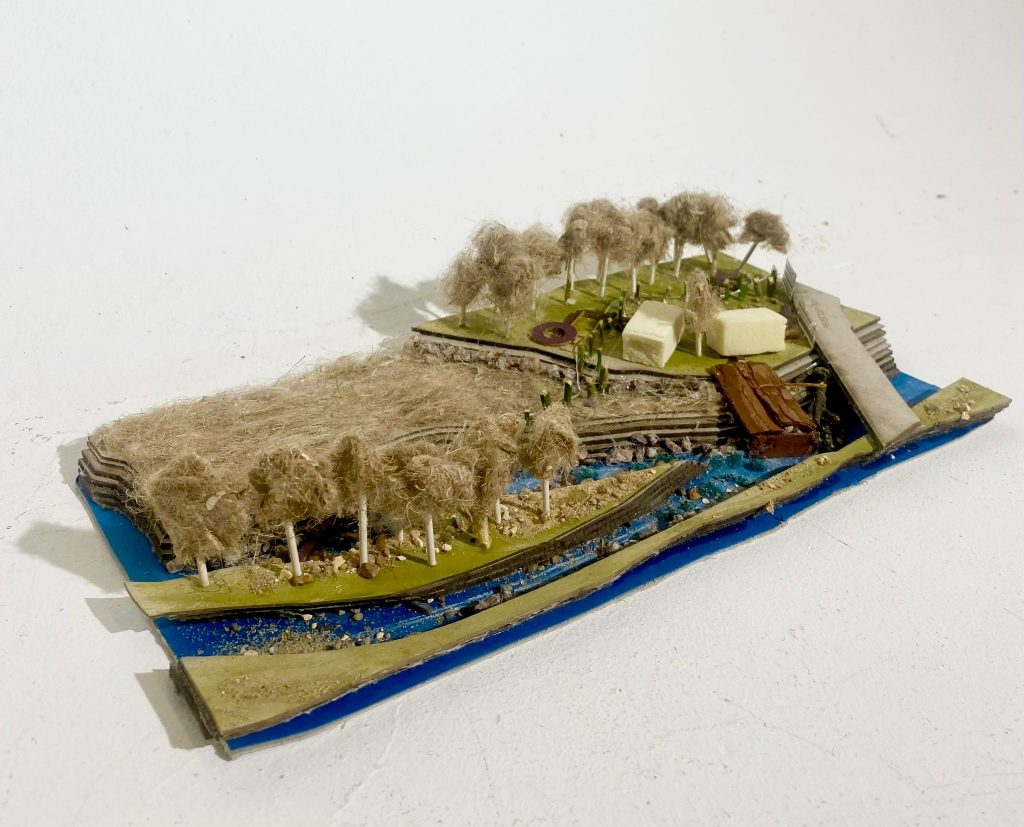
One thing that feels quite specific to studying architecture at Westminster is how often you move between digital and physical work. Some days you are drawing or modelling, and other days you are making something by hand, testing how things come together, or trying to understand scale in a more direct way. It does not always go as planned, but that is also where a lot of the learning happens.
One part of the digital work involves learning how to use different software to communicate ideas clearly. For example, we often use AutoCAD to produce technical drawings such as plans and sections, and Rhino or SketchUp to develop 3D models and test spatial ideas. Alongside that, programmes like Photoshop and InDesign are used to organise drawings into presentation pages, which is an important part of how we explain our projects. Over time, you start to understand that these tools are not just about making things look good, but about thinking through your design more carefully.
At the same time, physical work plays an equally important role. This includes making models at different scales, sometimes quick study models to test an idea, and other times more detailed ones that show structure and material. We often work with simple materials like card, wood, or foam, and the process of making by hand helps you understand proportion, weight, and how elements come together in reality. There are also moments where things do not work as expected, but those moments often become the most valuable part of the learning process.
Site Visits
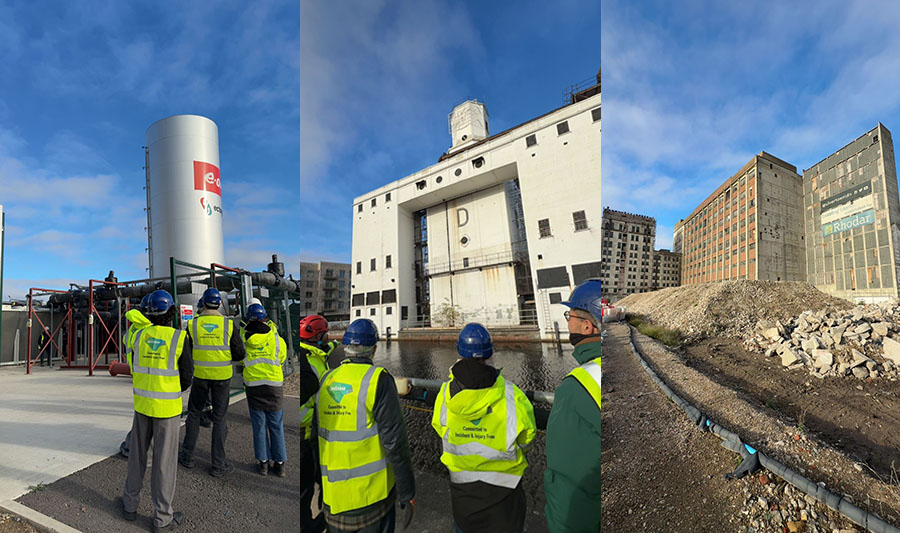
We also visit different sites and buildings as part of the course, and seeing them in real life makes a noticeable difference. It is one thing to look at drawings or images, but being there allows you to understand proportions, materials, and how spaces are actually used, which is harder to grasp otherwise.
The study trips had a similar effect, but in a more collective way, because you are experiencing everything together as a group. You end up discussing things more casually, sometimes without even realising it, and those conversations stay with you afterwards. Living in London also starts to influence how you see architecture without you really noticing it. You pay more attention to how spaces are used, how people move, and how different parts of the city feel, even in everyday situations.
One example of this was visiting the Silvertown regeneration project in the Royal Docks, which focuses on transforming a large brownfield site into a new mixed-use neighbourhood. Being there helped me understand the scale of the development much more clearly, especially in terms of how masterplanning decisions are applied across a large site. It also made it easier to see how infrastructure, housing, and public spaces are organised together rather than as separate elements.
Seeing the site in person also gave insight into how existing industrial heritage, such as Millennium Mills, is being integrated into new developments. It showed how design is not only about creating new buildings, but also about working with what is already there and giving it new life. This made me think more carefully about context and long-term impact in my own projects.
We have also looked at how sustainability strategies are being implemented at a large scale, including energy systems and environmental planning. Understanding these aspects in a real project helped connect what we learn in studio to how architecture operates in a wider, real-world context. These kinds of visits make it easier to relate drawings and concepts to actual construction, use, and long-term urban development.
Final Thoughts
Looking back, studying architecture has not just been about designing buildings, but more about learning how to observe and understand what is already around you. I am still figuring things out, but that seems to be part of it.
Yamon

For more insights from international students studying at the University of Westminster and living in the heart of London, please visit our International Student Blog


- Studying Architecture: How You Learn Beyond Drawings - April 21, 2026