
Choosing to study architecture is the first step toward shaping the spaces and cities of the future. At Westminster, our Architecture, Interiors and Planning courses offer students a creative and intellectually challenging environment in which to develop their design thinking, technical knowledge and understanding of the built environment.
In this Q&A, Diony Kypraiou, course leader, shares insights into what makes our Architecture BA distinctive, the types of students who thrive on the course, and how it prepares graduates for careers in architecture and the wider built environment. From industry engagement and real-world projects to professional accreditation and graduate success stories, we explore how the course supports students on their path to becoming architects.
Can you tell us about your course and what makes it distinctive within architectural education at Westminster?
Our Architecture BA is intellectually rigorous, creatively open and socially engaged. From the start, we set you to think architecturally – to question, test and reflect – before deciding how you want to practise. We encourage creative risk-taking, grounded in care and responsibility to communities and the planet. Projects move across scales, from the body and domestic space to buildings and urban condition.
Studio culture sits at the heart of the course. London becomes our laboratory, shaping briefs and conversations through its energy and complexity. We focus on drawing and making, material awareness and environmental thinking. You will learn not just how architecture is made, but why it matters and how its practice is constantly evolving.

What types of students tend to thrive in this course, and what interests or skills are most important for those thinking of applying?
Students who are curious and open-minded. You do not need to arrive knowing exactly what architecture is. But you do need to care about how space affects people’s lives. You should be willing to draw, make, experiment and talk about your ideas.
If you enjoy asking challenging questions, working with others and testing different approaches, you will feel at home here. Many of our students are motivated by climate change, housing and social justice. What matters most to us is commitment, curiosity and a readiness to engage fully in our studio life.
How does your course prepare students for a future career in architecture and the built environment?
We build your design confidence step by step. Studio projects are supported by technical and theoretical studies, so you learn how architecture looks, how it works and how it impacts people and the environment. You develop both your creative and practical understanding.
You will also learn how to communicate clearly – through drawings, models, writing and presentations. We teach you to respond to feedback and to take responsibility for your decisions. Many of our students continue towards professional qualification, while others use these skills across the wider built environment. Our aim is to prepare you for long-term growth, not just your first job.
What opportunities do students have to engage with real-world projects, industry, professional practice or external partners during the course?
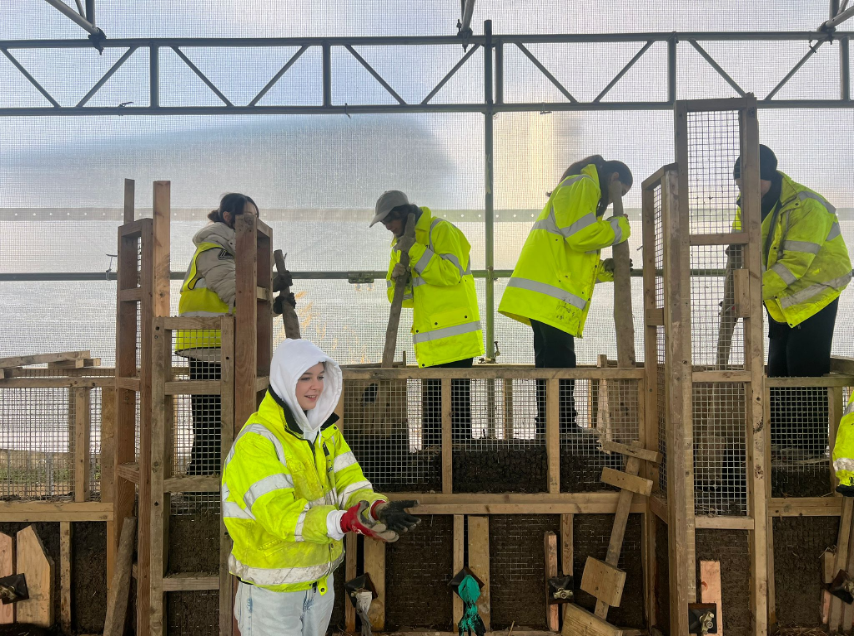
You will work with practising architects and respond to live briefs. You will visit real sites and engage with real contexts. We do not simply simulate practice – we encourage you to question and understand it critically.
London plays a huge role in your experience. Through site visits, field trips and guest lectures, the city becomes part of your education. Work placements and collaborations help you understand the realities and responsibilities of practice. We want you to see the profession as diverse, evolving and open to change.
Your course is professionally accredited -what does this mean in practice for students? In terms of progression, professional qualification and career opportunities?
Our Architecture BA is a recognised first step towards becoming a registered architect in the UK, subject to completing the later stages. This means your degree meets professional standards and supports your progression.
At the same time, accreditation does not limit your creativity. We use it as a framework within which you can experiment and develop your own position. It strengthens your employability while allowing you to think critically about the future of the profession.
What career paths do graduates from this course typically go on to pursue, and could you share any recent examples of graduate success?
Our graduates pursue a wide range of careers, guided by the course’s focus on critical and expansive architectural thinking. Many continue towards professional qualification, progressing to accredited master’s programmes and working in practices of all sizes – from small design studios to large multidisciplinary firms.
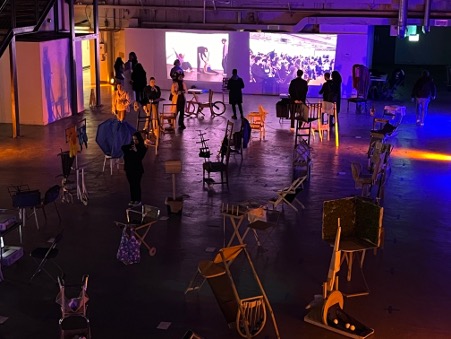
Equally, our course prepares students for careers across the expanded field of architecture. Graduates have gone on to work in spatial and exhibition design, set and production design for film and media, community-led practice, urban strategy, and sustainability-focused consultancy. The skills developed in studio – spatial literacy, material thinking, narrative, collaboration, and critical inquiry – translate across these contexts.
Recent graduates have been awarded top RIBA and other student prizes, and moved on to join leading design practices, working with communities, artists, designers, and, of course, UK and international architects. It’s exciting to see where our students go and the meaningful change they help realise through design.
About Westminster
As one of the most diverse universities in the UK, we are a global university with London energy, with more than 19,000 students from 169 countries.
To find out more about our courses, visit the Architecture, Interiors and Urban Design page.
Header image: Architecture BA Student Avrora Afanaseva showcasing the ‘Euston Stages’ project, Design Studio, Year 3

- Architecture BA – Your Path to Becoming an Architect - March 5, 2026
- Creative Computing at Westminster: Inside the Immersive Development Lab - February 26, 2026
- T26gether Again: Celebrating 26 Years of Illustration BA at Westminster - February 26, 2026