The OPEN Degree Show brings together a diverse collection of final-year projects from the School of Architecture + Cities, showcasing the creativity, technical skill, and critical thinking developed across our undergraduate courses.
Ahead of the show, we spoke with two students, Sidrit from our Architectural Technology BSc and Balkis from our Interior Architecture BA, whose individual work responds to contemporary challenges in the built environment through thoughtful, innovative, and research-led design approaches.
Can you tell us about your final project and the inspiration behind it?
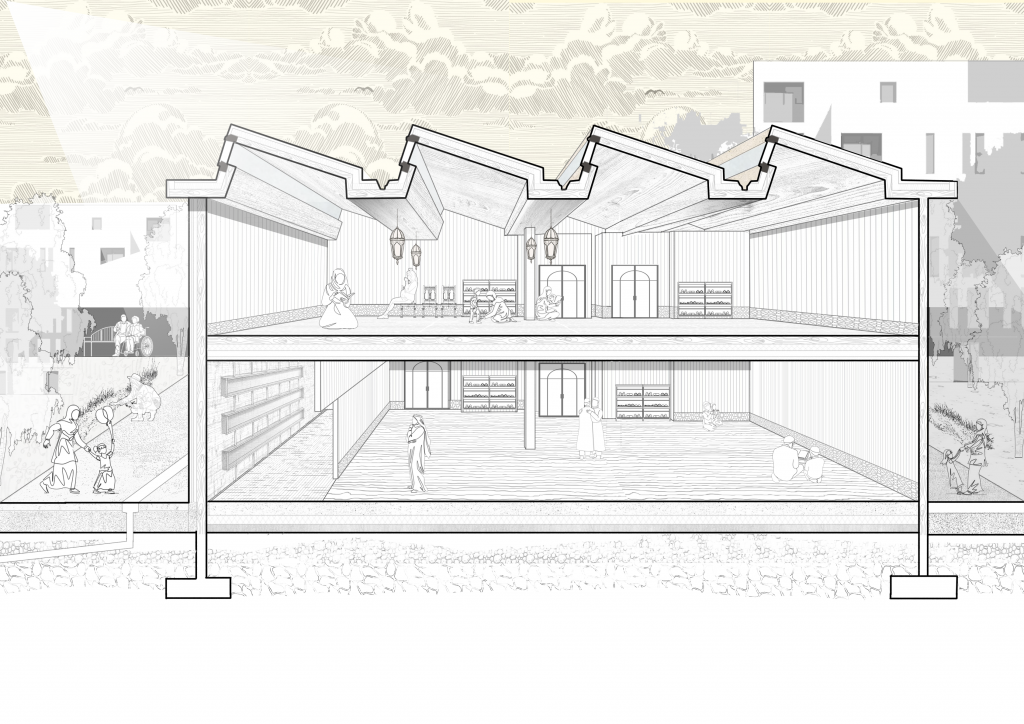
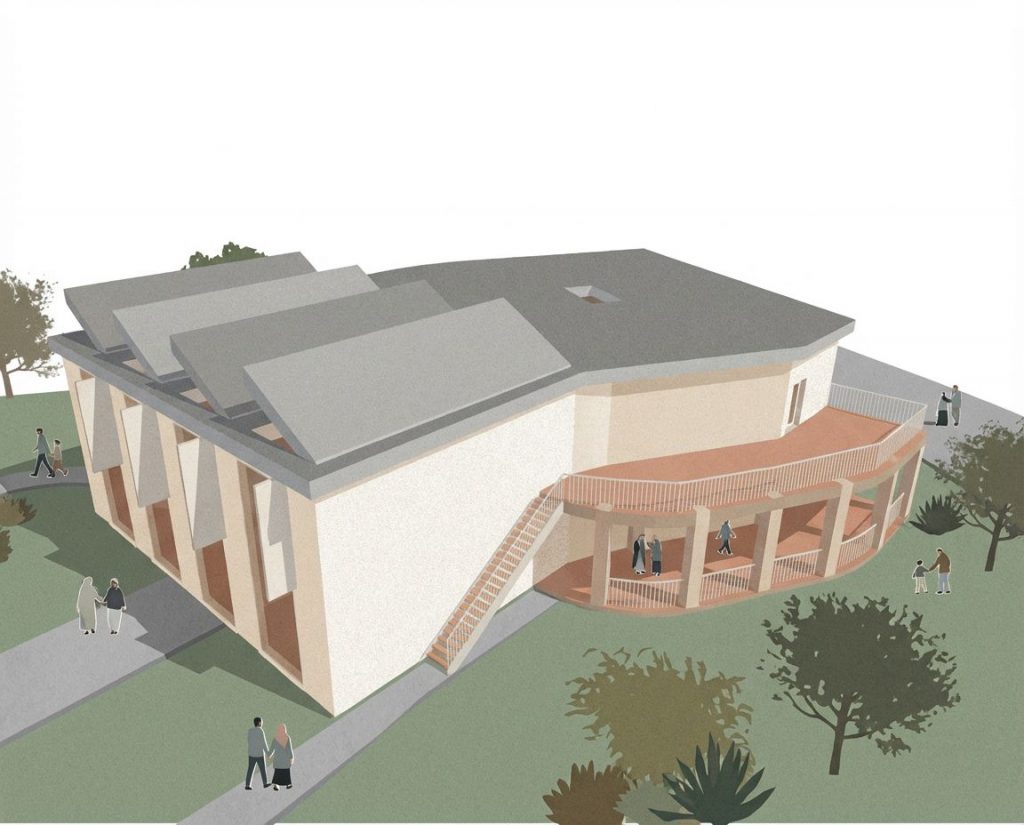
Sidrit: With a growing Muslim population in London’s Southgate community, the brief for my project, set by our Course Leader as part of our Design Studio module, was to create a mosque for 500 worshippers in this region. This project was combined with a historic restoration, involving an existing residential Grade II listing constructed in the 1600s, which later would become an Islamic girls’ secondary school.
According to the project brief, the client who serves as a chairperson for the Southgate Mosque and Community expressed an enthusiasm for Moroccan Spanish architecture, which led me to undertake a study trip to Marrakech, where I analysed features of the Kutubiyya Mosque.
The Grade II restoration required extensive research informed by guidance from Historic England, optimising learning for neurodivergent students, and dynamic approaches to schooling to maximise an inclusive environment for all users. Pearson Lloyd, an East London based, furniture manufacturer and design company, inspired many of the furniture pieces in the classrooms as a newly innovative approach to education-based planning.
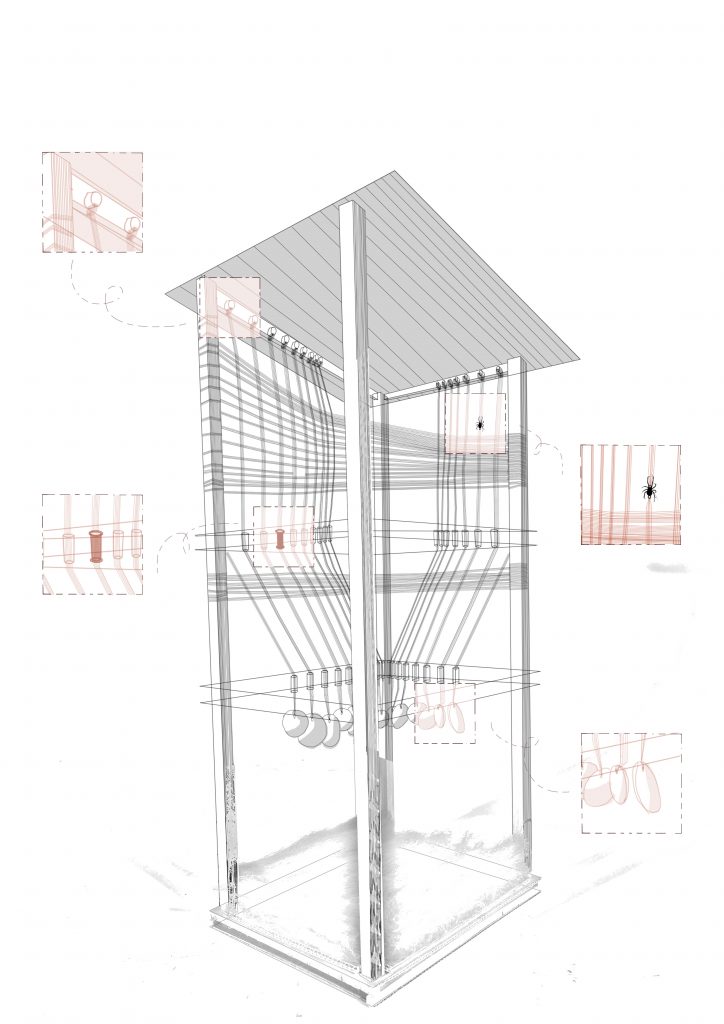
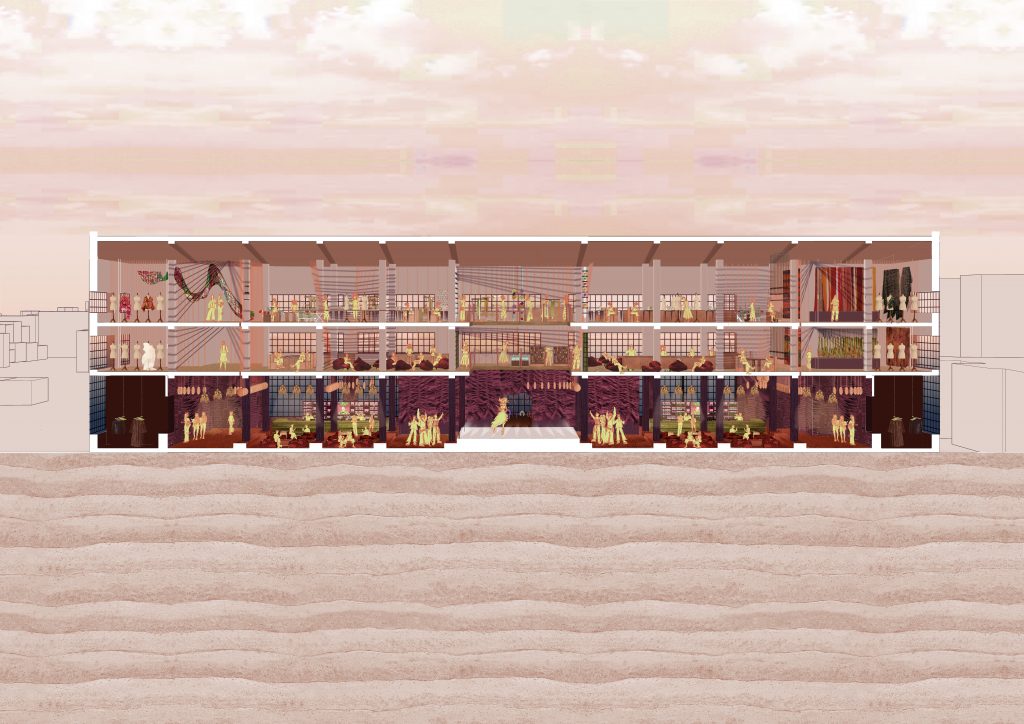
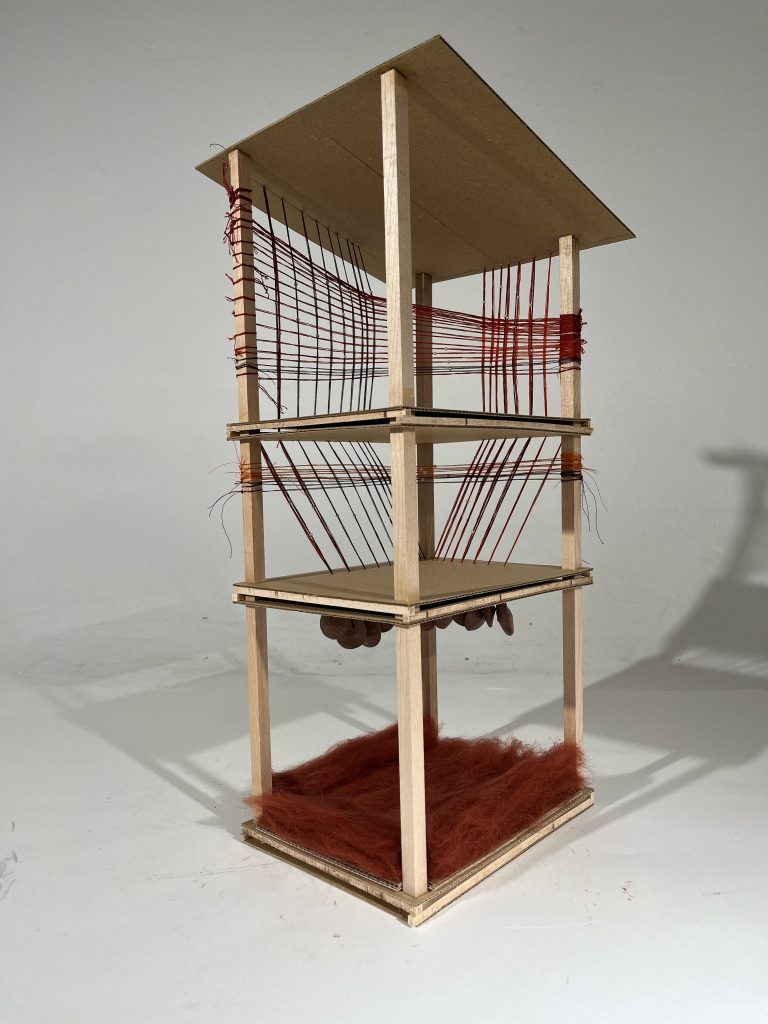
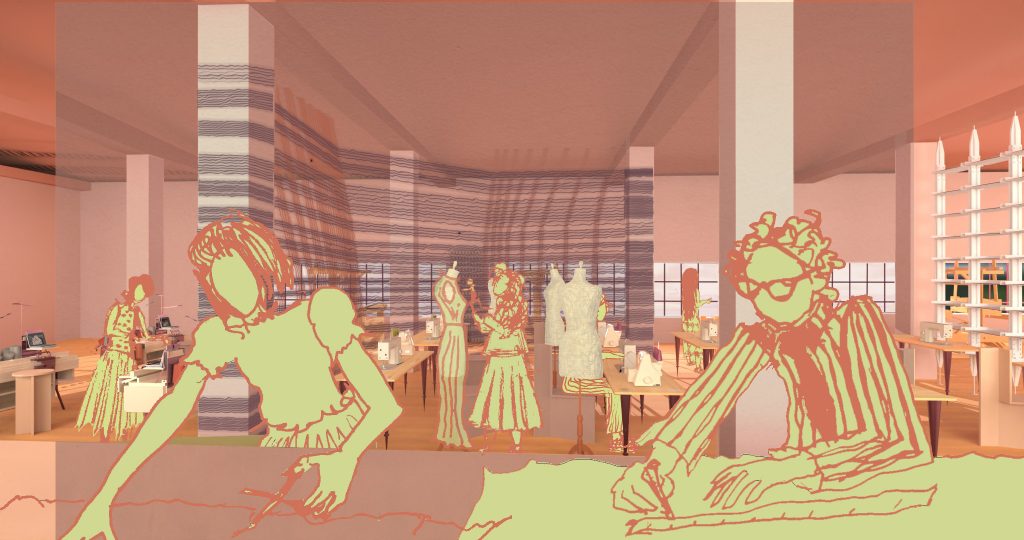
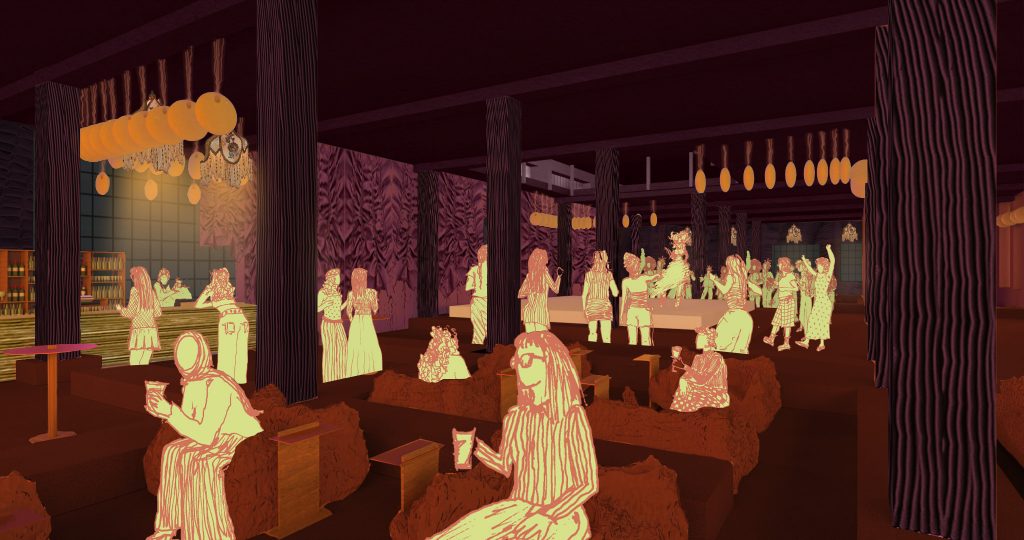
Balkis: My project is a craft centre for the fibre arts coupled with a drag club in the evening. It is located in the former Simpsons Clothing factory in Dalston, linking the history of the rag trade in Hackney to the programme of the project centred around the fibre arts. This project celebrates the craftsmanship and creativity of women in the textile industry, highlighting practices that have historically been undervalued because of their association with traditionally feminine forms of making and perceptions that textile crafts are less skilled or complex than other forms of craftsmanship. My project is utilises fibre arts techniques and materials, turning them into architectural elements, be they structural or ornamental. The building is turned into a weaving loom with the woven surfaces becoming partition walls, they serve functional and form purposes. Fabric is also used as wall upholstery, using fabric manipulation techniques to bring original textures and colours to a space. The project tells a story from the women creating the fibre art, to the drag artist wearing them, to the fibre art dressing the building.
How has your course prepared you for developing and completing your final project?
Sidrit: The course has focused on scaffolding my ability to think strategically when designing. Developing from 2nd to 3rd year, the teaching approach offered increased independence, allowing for us to progress our own ideas.
Through tutors encouraging research-based learning and using precedents to influence proposals, I was able to synthesise a project that had more depth, originality and competence compared to my previous years of academic study, where I felt had more dependency on tutor input.
Balkis: My course has allowed me to test a lot of techniques and to design various kinds of projects, which led me to find what I’m particularly interested in and explore my strengths and weaknesses. Knowing this was very important for the development of my final project, because I then knew what I wanted to address in the design world and what techniques I wanted to use to achieve it. The course tutors were also essential to completing the final project, as they know me and understand me as a designer. Their feedback and conversations were always relevant and helpful to develop my concept and push me even more.
What are you most looking forward to about the end-of-year show?
Sidrit: The OPEN exhibition is an opportunity to not only present my work to visitors, but to also see my fellow students’ work, take inspiration and improve myself with new ideas.
Balkis: I am excited to showcase all the work my course mates and I have produced this year, and to see what everyone in the School of Architecture + Cities has achieved. What I am most looking forward to however, is the awards night, as I have been nominated for the Best Portfolio award on my course. Winning it would be the recognition of all the work I’ve put in these past years in my degree, which would be very rewarding.
Looking back on your time studying at Westminster, what has been the highlight of your experience?
Sidrit: The main highlight of my studies was securing a professional year long placement at Saunders Architects based in Welwyn, as part of my course. This was a major milestone for my professional and educational progression, which was extensively supported from the careers team at the university, along with my tutors.
I learned valuable skills from this experience, which cultivated relevant skills in my course, and developed professional skills to help my CV when looking for future employment post-graduation.
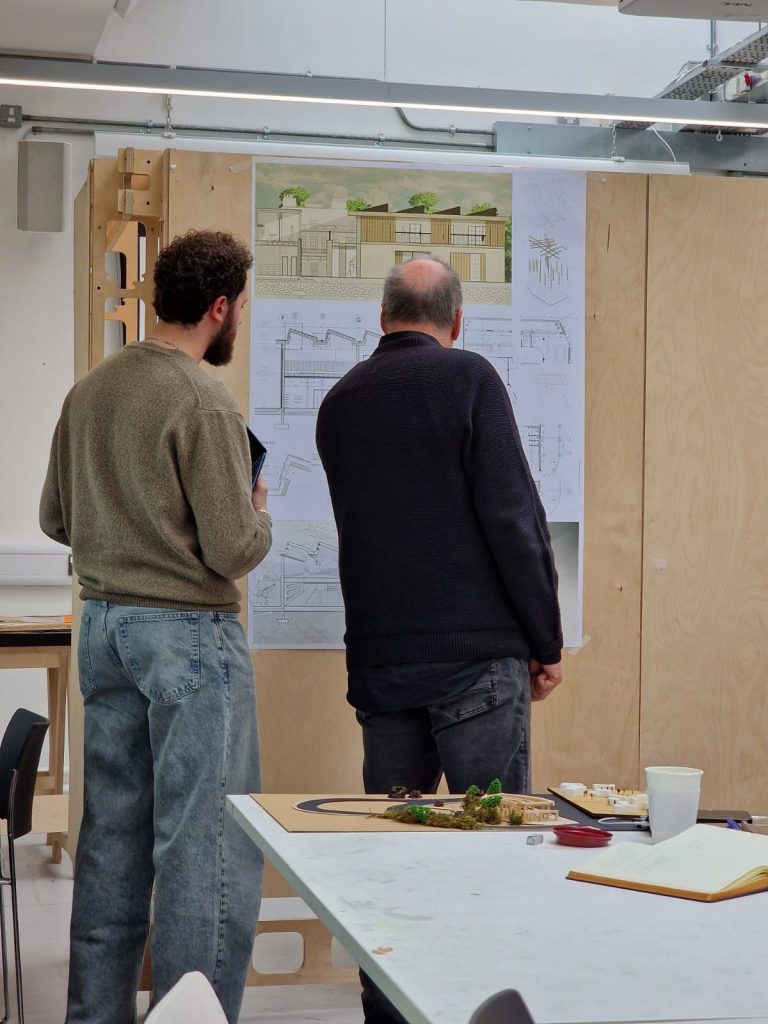
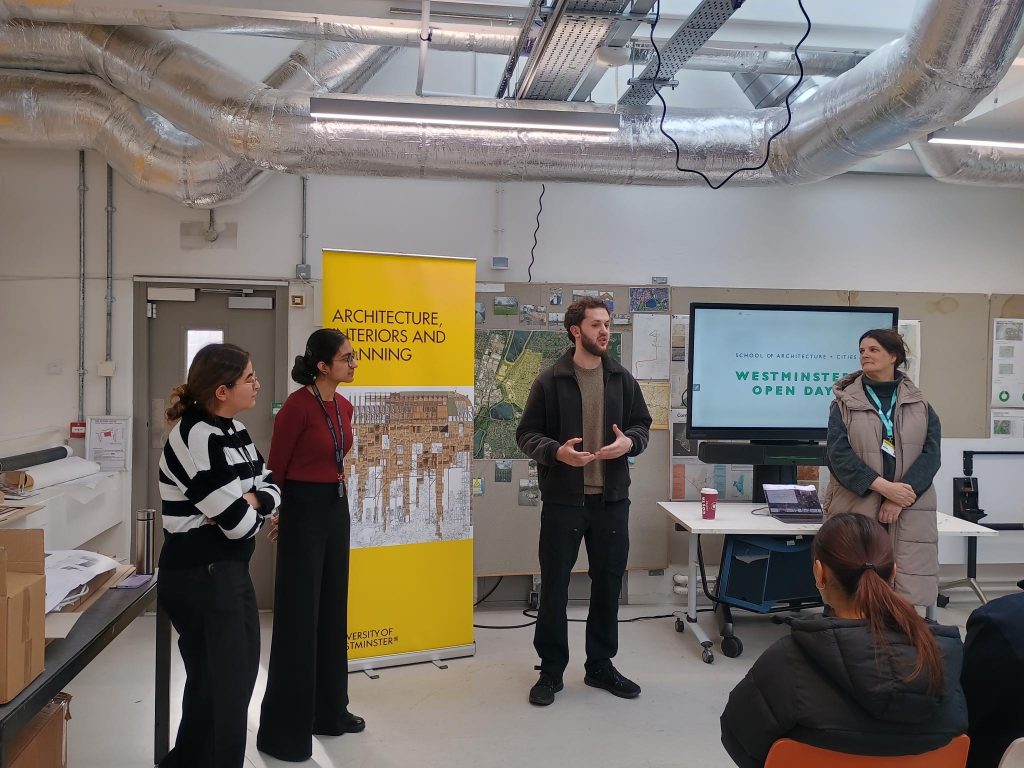
Balkis: I think it would be the people I met and the studio culture. Even though spending lots of time in the studios was tiring at times, being there with my friends, all in the same boat and helping each other, really made the experience fun and enjoyable. I will always remember my late nights in the studio with my friends.
What are your plans for the future after graduation, and what are your career aspirations?
Sidrit: The first goal is to seek a graduate role. I plan to expose myself to a range of tasks, which will strengthen my ability to work under pressure and train my mind to take responsibility.
The final goal is to hopefully innovate a product relating to gaps in the construction market or start my own architecture practice.
Balkis: After my graduation, I am planning to stay in London for a couple more years at least. I want to get more experience before considering a master’s degree, so I’ll start looking for jobs. Throughout my studies, I have developed a taste for exhibition and set design. This is where I’m having the most fun and feel the most creative, so I hope to find a position in a practice that specialises in this area.
About Westminster
As one of the most diverse universities in the UK, we are a global university with London energy, with more than 19,000 students from 169 countries. Find out more about our Architecture, Interiors and Planning courses
