This summer I spent six weeks at Mater Dei Hospital in Malta, rotating through some of the pathology labs – Toxicology, Clinical Chemistry, Haematology, Coagulation, and Cytogenetics. The main reason I went was straight forward: I’m hoping this experience gives me a better shot at getting onto a master’s at a more competitive uni. Lectures and exams are fine, but I needed real lab work on my CV – something solid to prove I can do more than memorise pathways.
Finding work placements in London had felt like a dead end. Even with good grades, the rejections stacked up. The University of Westminster has been a good fit for me, but it felt difficult to compete with students from the leading London universities. That’s why when the Malta placement came up, it felt like a relief and the perfect opportunity to further my professional development that I had been searching for (along with the added bonus of an international personal growth experience). The placement wasn’t really designed for pharmacology students, as it mainly catered to biomedical scientists, but I persisted with Adele and Joan until I secured a place. The hospital also made sure I spent more time in the labs most relevant to my degree interests.
The prep was not smooth sailing. Health forms dragged on for months – constant GP calls, blood tests, signatures that never seemed to land. By the time flights and accommodation were booked, I felt like I’d already done a placement in chasing paperwork. The internal university paperwork regarding the bursary etc was straightforward and well-supported, but the forms from Mater Dei, with their vague instructions, were more of a struggle. But none of that compared to the labs. From day one it was fast paced and technical. The workday ran 8am–3pm, which sounds short on paper, but it was non-stop when things were moving. And to be real – there were days where my main job was not getting in the way. That’s when you’ve got to be proactive, ask questions, and make yourself useful, or you risk just standing around.
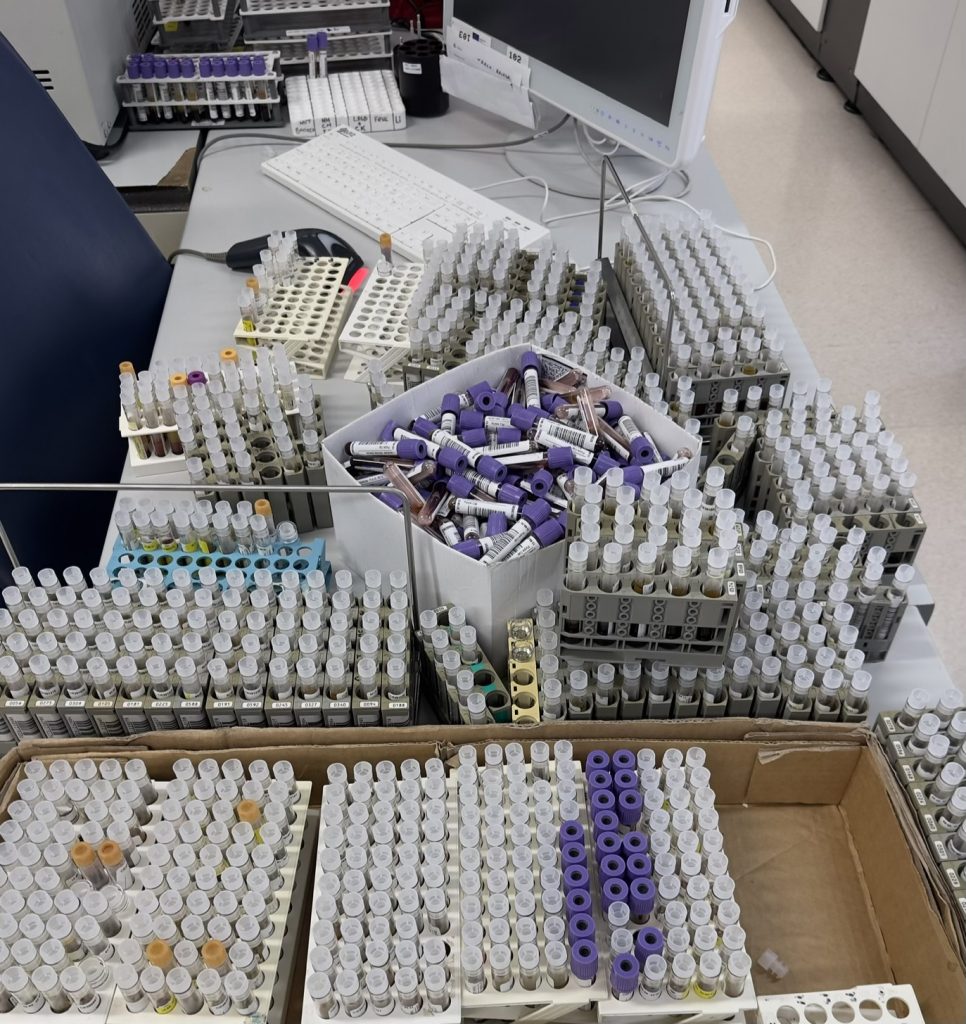
In Toxicology I worked with LC-MS/MS and immunoassays for overdose, efficacy, and rehab monitoring. Clinical Chemistry had me on automated immunoassay analysers and protein electrophoresis systems, watching how calibrator drift could send everything off course. The machines were genuinely impressive – half the time I caught myself just standing there watching them run for fun. Haematology and Coagulation was a mix of automated full blood counts and manual assays like clotting and foetal maternal haemorrhage testing. Cytogenetics was pure patience – cell culture, harvesting, G-banding, FISH – where one sloppy step ruins the whole thing. I also got a look at the background side of labs: external quality assurance through UK NEQAS, procurement shaping which machines we got to rely on, and how departments plan major renovations without stopping patient care (Clinical chemistry is set to start a full renovation this November).
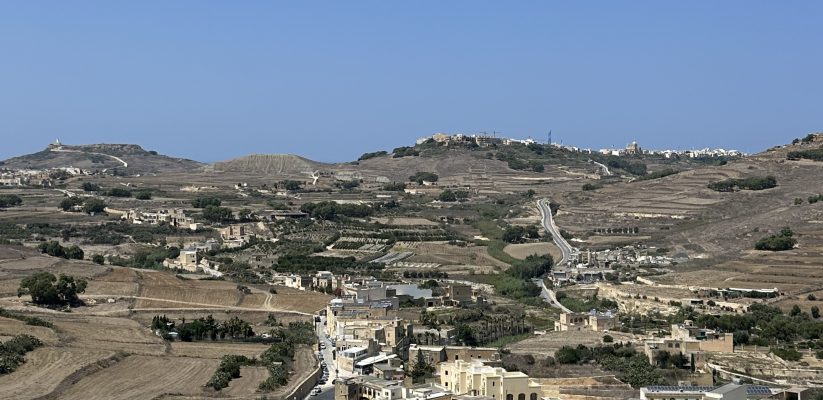
Inside the hospital, the systems felt very similar to the NHS, so settling in was easy. Outside, Malta had its own pace. I ended up hanging out with Maltese uni students who were also doing placements at the hospital. We’d work together in the week and then head out at weekends. The tourist spots like the Valetta were fine, but the better memories came from quieter beaches, nights out in Gozo, and the local places they dragged me to that don’t make it onto travel tik-tok. That mix, intense lab work in the day, proper student life after hours, made the whole thing.
Looking back, this was exactly the kind of placement I needed. Real lab experience that strengthens my shot at a master’s, technical skills I can talk about with confidence, and proof that persistence pays off. Easily one of the most rewarding things I’ve done so far.
Before I went, I read other student write-ups of placements abroad and found them accurate and genuinely useful. If you’re considering this placement and want advice – or just the unfiltered version of what it’s like – feel free to reach out. If it’s funded, go. Worst case, you’ve got six weeks in the sun. Best case, it changes how you see labs and your future.
Cameron Lipscombe-Holt, BSc Pharmacology

- Chasing Labs, Finding Malta - September 26, 2025
- Volunteering in Nepal: Lessons, Landscapes, and Lasting Memories - August 7, 2025
- My Exchange Experience in Madrid - July 15, 2025